
In short: An AI-generated shoe concept, rendering or sketch can be enough to start product development. It shows the intended silhouette, style and color direction, but it is not a tech pack or a verified production specification. A footwear development team must still define the last, outsole, upper construction, materials, dimensions, color standards, processes and sample checks before the design can move toward production.
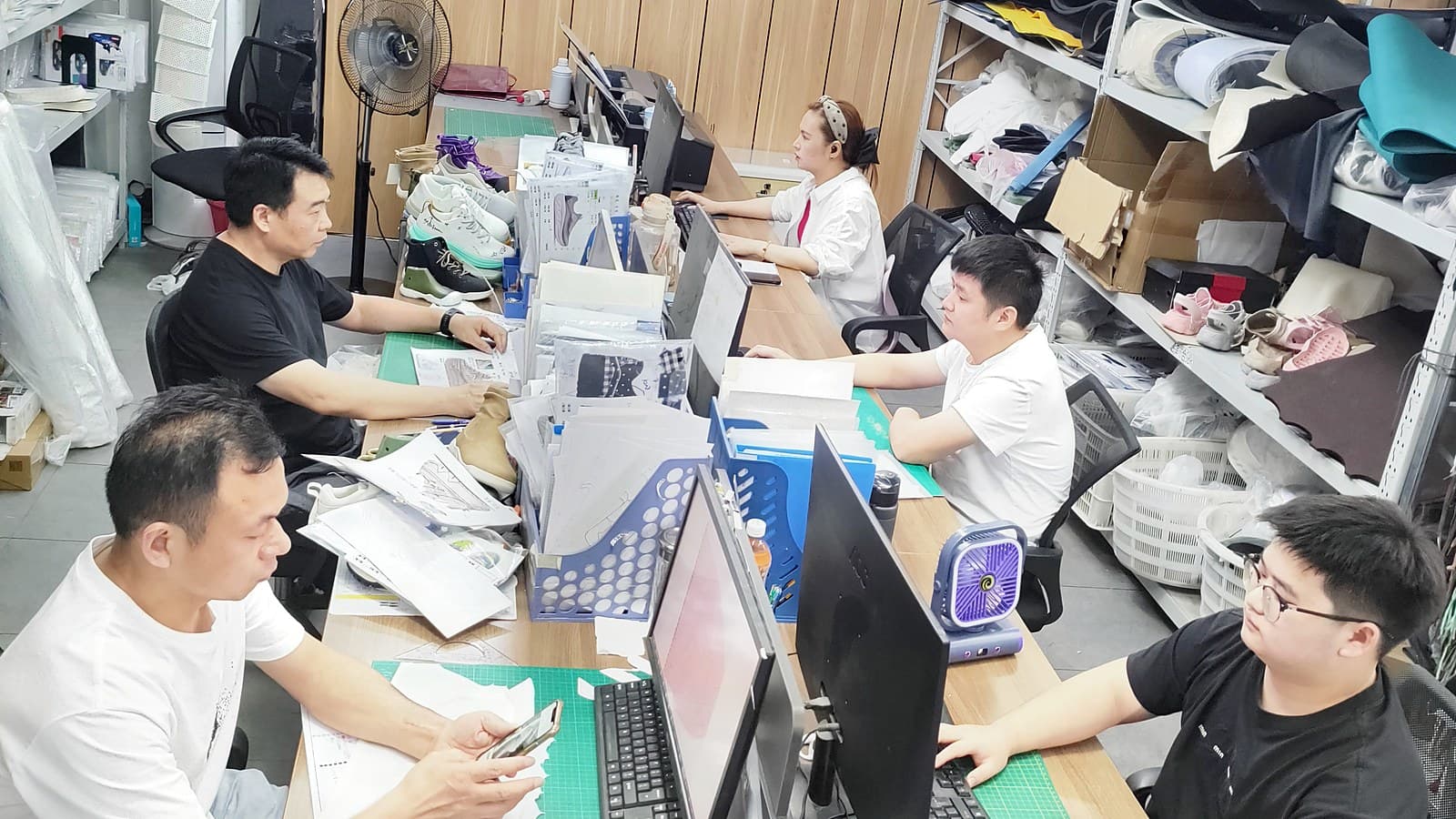
FANVENO uses AI during concept review and visual development, then combines it with sampling experience, a material reference library, outsole resources, an in-house development studio, its own factory and an established supplier network. The exact route depends on whether the buyer needs a concept completed or an existing specification preserved and corrected.
Start with the right development workflow
| Project starting point | Development approach | Buyer decisions | Development-team responsibility |
|---|---|---|---|
| AI concept, rendering, sketch or early idea | Concept-led development | Product direction, intended use, price position and major appearance choices | Complete the structure, materials, last selection and outsole route, dimensions, colors, processes and first-sample instructions |
| Existing product, approved sample or tech pack | Specification-led development or factory transfer | Approve identified differences, substitutions and unresolved commercial choices | Preserve approved standards, identify omissions or conflicts and complete the development documents |
| Approved components plus a new concept | Mixed development | Confirm which approved elements must remain unchanged | Keep approved elements fixed and develop only the new parts |
An AI image alone does not identify a buyer as inexperienced. Professional product teams also use AI renderings to explore new ideas. The workflow should be selected from the project goal and the available approved information.
Concept-led development: the team completes the technical details
A first-time developer does not need to specify thread size, material thickness, seam allowance, outsole hardness or every construction detail before making contact. One clear concept image can start the discussion. The buyer should explain the intended wearer, use, target market, preferred feel, expected price position and any visual features that must remain.
The development team then proposes a complete first-sample direction. This includes the footwear category, fit target and last selection, outsole route, upper component layout, reinforcement, lining, closure, material specifications, color placement, branding method and construction sequence. Missing medial, rear, top or bottom views can be developed as proposals consistent with the main concept. The newly designed details remain subject to sample review; they are not presented as details already approved by the buyer.
The buyer mainly decides whether the appearance, use, comfort direction and budget priorities are right. The technical team converts those decisions into instructions that a pattern room and sample room can execute.
Specification-led development: preserve standards and close the gaps
A professional buyer may provide an approved sample, an existing product, drawings, a bill of materials or a tech pack. In this workflow, the factory should not replace approved values with convenient assumptions. It should compare the product, documents and available materials, then identify missing dimensions, contradictory notes, unavailable components, construction risks and differences introduced by the new supply chain.
Each difference needs a recommended treatment and a clear approval status. Confirmed standards remain unchanged; proposed substitutions and new design decisions are recorded separately. The completed development confirmation and updated specification then become the basis for sampling.
What an AI rendering does not define
AI images can communicate shape, proportion, panel lines, color blocking and styling quickly. They can also contain visual inconsistencies that cannot be copied directly into a shoe. Shadows may look like material panels, perspective may distort proportions, the medial and lateral sides may conflict, and separately generated views may not describe the same geometry.
Before sampling, the development team should establish a component map and resolve:
- Last shape, base size, size system and fit target.
- Existing outsole, modified outsole or new tooling route.
- Upper panels, lining, reinforcement, tongue, collar and closure relationships.
- Material type, thickness or weight, surface, color and joining method.
- Measurable dimensions, tolerances and measurement methods.
- Logo placement, color application and visible finish requirements.
- Sample purpose, fitting checks, process checks and feedback format.
AI can assist with visual alternatives, additional-view proposals and color previews. Precise dimensions, production geometry and tooling files must come from controlled technical data and engineering work, then be checked through physical samples.
From the image to a first sample
1. Record the source and product requirements
Keep the original images and version history. Separate what is visible in the buyer's source from what the development team recommends. Confirm the product category, intended use, target market, price position and purpose of the first sample.
2. Translate the visual concept into components
Map each panel, opening, seam, reinforcement, color area and branding position. Review all supplied views together instead of treating lighting, watermarks or perspective as construction.
3. Select a manufacturable direction
Compare suitable lasts, available outsole routes, material systems and production processes. When an existing outsole can achieve the intended appearance and performance, it may reduce new-tooling work. If a distinctive outsole is central to the design, the project may require dedicated engineering and tooling. Availability, MOQ, price and tooling decisions are confirmed for the specific project.
4. Prepare one controlled specification
The same approved design basis should control the technical drawings, bill of materials, points of measurement, color specification, process notes and first-sample instructions. When one design parameter changes, the related documents should change with it. This prevents verbal sample corrections from becoming unrecorded production standards.
5. Make and review the first sample
The first sample checks the design in physical form. The team reviews proportion, line placement, fit target, component assembly, material behavior, color, workmanship and the intended appearance. A second or third sample may be required when changes affect fit, structure, tooling or several connected components. The number of rounds depends on the product and the revision scope.
6. Build the production reference
A complete-looking rendering or PDF is not a production approval. Production should follow an approved sample, confirmed materials and colors, updated production specifications, agreed inspection points and any applicable testing requirements. Design completion, engineering verification and buyer approval are recorded separately.
How material, outsole and supply-chain resources support development
A material reference library helps compare surface, hand feel, thickness, weight, color direction, durability requirements and cost drivers. Outsole resources help the team evaluate existing sole options before recommending modification or new tooling. An established supplier network supports material sampling, component coordination and practical alternatives when the original idea is not available under the project's quantity, price or schedule conditions.
These resources are decision tools, not a promise that every material or outsole is held in stock. Final selections depend on the shoe design, target market, performance requirements, MOQ, supplier availability and confirmed quotation.
Branding and packaging can be developed with the product
Private-label requirements should be included in the product specification rather than added after the shoe is approved. Depending on the project, customization can cover side logos, tongue labels, insole printing, size labels, hangtags, tissue paper, shoeboxes and shipping-carton marks. Each item has its own artwork, material, printing method, MOQ and approval requirement.
Packaging does not need to delay an early pattern-room sample unless it affects the sample's purpose. It should, however, be confirmed before production and packing materials are ordered.
What should a buyer send first?
The minimum useful starting point is one clear AI concept image, rendering, sketch or reference image plus a short explanation of the intended product. For a more focused review, include:
- Target wearer, market and sales channel.
- Intended use and preferred fit or feel.
- Features that must remain and areas open to recommendation.
- Expected quantity, size range and number of colorways.
- Target price or retail price position.
- Logo, labeling and packaging requirements.
- Existing tech pack, approved sample or component standard, if available.
Reference material helps communicate direction but does not authorize copying protected designs, trademarks or brand elements. Buyers should confirm that they have the right to use the submitted design material. Buyers can review FANVENO Design & Development or send the materials through the FANVENO contact page.
Frequently asked questions
Can a factory make a shoe sample from one AI image?
Yes, one clear image can start concept-led development. The development team still needs to create or confirm the hidden views, structure, last selection and outsole route, materials, dimensions, processes and sample checks. The first physical sample verifies decisions that an image cannot prove.
Does an AI rendering replace a tech pack?
No. A rendering communicates appearance. A tech pack records the components, materials, dimensions, colors, construction and sample requirements needed for execution and revision control.
What does the buyer need to decide in a concept-led project?
The buyer should approve the product direction, intended use, appearance, comfort priorities, price position and major trade-offs. The development team can recommend the technical details and prepare a complete first-sample plan.
Can the factory recommend materials and outsoles?
Yes. The team can compare material and outsole options against the design, intended use, price position and required performance. Exact availability, MOQ, quotation and testing requirements are confirmed for the project.
Can logos, hangtags and shoeboxes be customized as well?
Yes. Branding and packaging can be developed with the shoe, including logo methods, labels, insole printing, hangtags, shoeboxes and carton marks. Specifications and minimum quantities are confirmed for each item.
When is the design ready for production?
It is ready to move toward production after the buyer approves the sample, materials and colors; the production specification is updated; and the applicable inspection and testing requirements are agreed. A concept rendering by itself is not production approval.